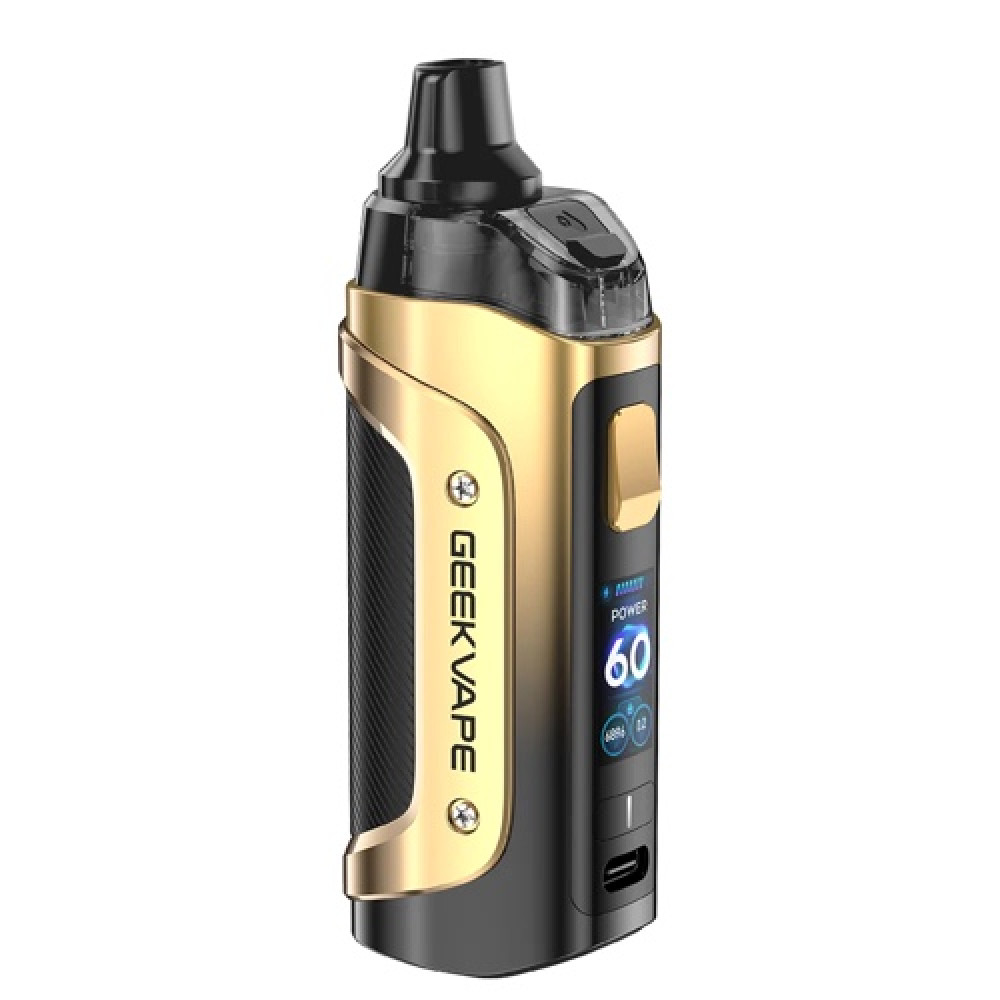
A burnt vape is one of the quickest ways to ruin the experience. The taste is harsh, the vapour feels uncomfortable, and once it happens, it usually does not fix itself. For adult vapers, burnt hits are rarely random. They are almost always the result of heat, liquid flow, and timing falling out of balance. This article explains how to prevent that from happening in normal, everyday use.
Make sure the coil is properly saturated before use
Most burnt hits start with a dry coil. When a new coil or pod is installed, the wick inside needs time to absorb e-liquid fully. Using the device before that process finishes leaves dry areas that heat faster than they should.
Giving the coil time to saturate allows liquid to reach all parts of the wick. Once that balance is set, the coil can regulate heat far more effectively.
Avoid vaping when the liquid level is too low
As e-liquid drops below the wicking ports, less liquid reaches the coil. Even if some liquid remains in the pod or tank, the wick may not be able to draw it in fast enough.
This often leads to intermittent burnt hits rather than an immediate failure. Keeping liquid above the minimum level helps maintain consistent wicking and prevents dry spots from forming.
Do not exceed what the coil can comfortably handle
Every coil has a point where heat builds faster than liquid can cool it. When that point is exceeded, the wick begins to dry out between puffs.
Staying within a moderate power range allows the coil to vaporise liquid steadily rather than aggressively. This reduces stress on the wick and extends coil life without sacrificing consistency.
Let the coil cool between puffs
Chain vaping keeps the coil hot continuously. Even with enough liquid present, heat can outpace wicking during repeated inhales.
Short pauses between puffs allow liquid to re-saturate the wick and bring temperature back under control. This small habit change is one of the most effective ways to prevent burning over time.
Match your inhale to the device design
Pulling too hard can flood the coil, while pulling too lightly can starve it. Both situations increase the chance of burnt hits in different ways.
A slow, steady inhale usually keeps airflow and liquid flow aligned. Once that rhythm is established, the coil operates more predictably and with less strain.
Replace coils before performance drops sharply
Burnt hits often appear near the end of a coil’s lifespan. As the wick degrades, it loses its ability to manage liquid evenly.
If flavour dulls, vapour thins, or heat increases noticeably, the coil is likely nearing replacement. Changing it earlier prevents the final stage where burning becomes unavoidable.
Why part compatibility matters
Not all pods, coils, and devices work well together. Small mismatches in design can affect wicking and airflow in ways that increase the risk of burning. That is why, when replacing coils or choosing a new setup, buying through a vape shop australia that clearly lists compatible parts can help avoid combinations that stress the coil unnecessarily.
Conclusion
Preventing a burnt vape is mostly about timing and balance. Keeping coils saturated, maintaining liquid levels, allowing cooling time, and replacing worn parts early all work together to protect the wick. When heat and liquid stay aligned, burnt hits become rare rather than routine, and the device remains consistent instead of punishing.